Get Backflow Testing Service
Backflow testing services help property owners identify and fix plumbing issues to prevent contaminated water flow, typically involving inspections, repairs, and system certifications.
Backflow testing services are an important aspect of maintaining a safe and reliable water supply for property owners. Ensuring that backflow prevention devices are functioning correctly helps prevent contaminated water from entering the public water system, which is vital for health and safety. Property owners in the area may explore these services as part of routine maintenance, compliance with local regulations, or to address specific concerns about water quality. By understanding the options available, property owners can make informed decisions about how best to protect their water systems.
Many local contractors offer backflow testing services designed to meet the needs of residential and commercial properties alike. Comparing these service providers can help property owners find qualified professionals who can efficiently evaluate and service backflow prevention devices. Continuing to read can provide insights into how to identify reputable local contractors and what questions to consider when planning for backflow testing work, ensuring the right support for your property’s water safety needs.
- Commercial Property Backflow Testing - needed when businesses want to ensure their water supply remains uncontaminated and compliant with local regulations.
- Residential Backflow Testing - required for homeowners to verify their plumbing systems prevent backflow into the municipal water supply.
- Fire Protection System Testing - necessary for buildings with sprinkler systems to maintain proper function and prevent backflow issues.
- Irrigation System Backflow Testing - essential for landscapers and property owners to protect drinking water from contamination through irrigation lines.
- New Construction Backflow Prevention - performed during new builds to install and verify backflow prevention devices before occupancy.
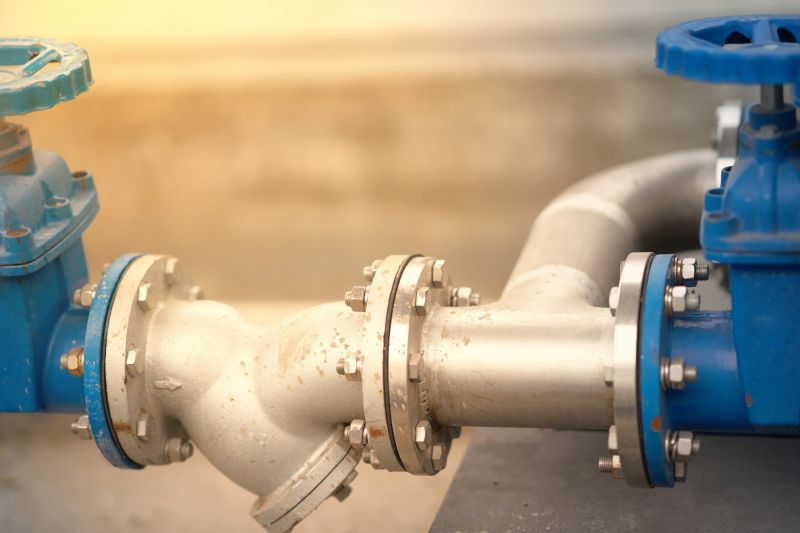
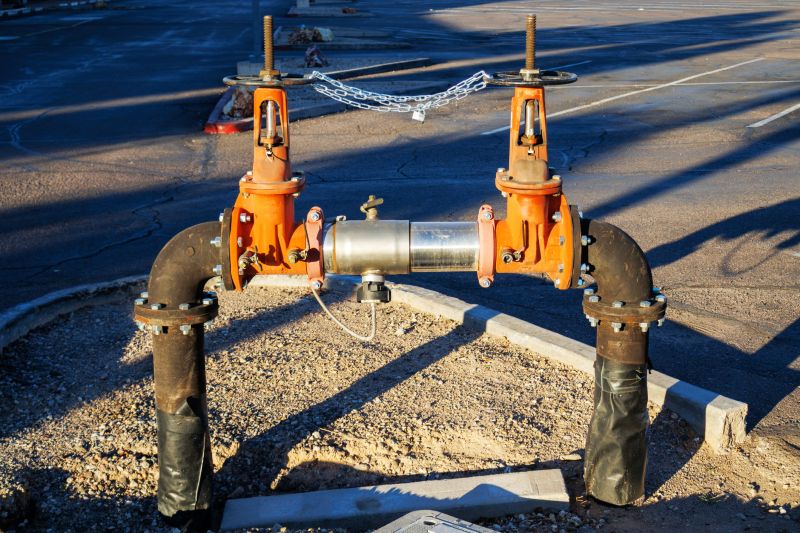
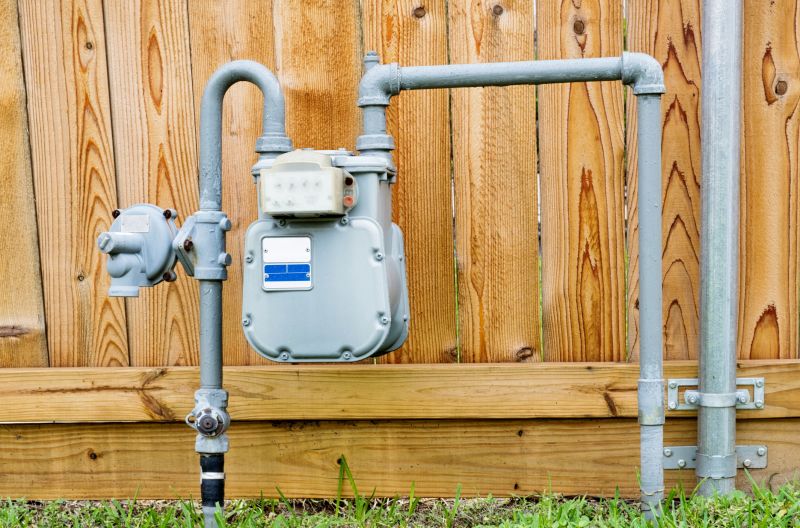
Backflow testing services involve inspecting a plumbing system to ensure that water flows in the correct direction and that contaminated water cannot flow back into the clean water supply. This process typically includes checking backflow prevention devices, such as check valves and pressure vacuum breakers, to verify they are functioning properly. Regular testing helps identify potential issues before they lead to serious problems, ensuring the safety and quality of the water supply for the property.
These services are essential for addressing common problems like backflow contamination, which can occur when pressure changes in the water system cause dirty or polluted water to flow back into the clean water lines. Such issues can lead to health risks and water quality concerns. Backflow testing helps detect these issues early, preventing costly repairs and ensuring compliance with local safety standards. It is particularly important in maintaining a safe water system in residential, commercial, and industrial properties.
Properties that typically require backflow testing include homes with irrigation systems, commercial buildings with fire suppression systems, and properties with any type of underground or above-ground water storage. Additionally, properties connected to irrigation or reclaimed water systems often need regular testing to prevent cross-contamination. Property owners who want to ensure their water supply remains safe and free from pollutants are encouraged to schedule backflow testing with experienced local contractors.
Homeowners and property managers should consider backflow testing if they notice changes in water pressure, experience discolored water, or have recently had plumbing work done. Regular testing is a proactive way to maintain water safety and prevent potential health hazards. Local service providers who specialize in backflow testing can evaluate the system, identify any issues, and recommend necessary repairs or maintenance to keep water systems functioning properly.
The overview below groups typical Backflow Testing Service projects into broad ranges so you can see how smaller, mid-sized, and larger jobs often compare in your area.
In many markets, a large share of routine jobs stays in the lower and middle ranges, while only a smaller percentage of projects moves into the highest bands when the work is more complex or site conditions are harder than average.
Routine Backflow Testing - typical costs range from $150-$350 for standard inspections on residential properties. Many routine tests fall within this middle range, with fewer projects reaching the higher end for additional testing or minor repairs.
Minor Repairs - small repairs or adjustments usually cost between $200-$600. Most projects in this category are straightforward and stay within this range, though more complex issues can push costs higher.
Backflow Device Replacement - replacing a backflow preventer generally costs from $600-$1,500, depending on the device size and installation complexity. Larger or more specialized units can increase the price for this type of work.
Full System Replacement - complete backflow system replacements can range from $2,500-$5,000 or more for larger or commercial properties. These projects are less common and typically represent the highest cost tier for backflow services.
Actual totals will depend on details like access to the work area, the scope of the project, and the materials selected, so use these as general starting points rather than exact figures.
Plumbing inspections - professionals conducting plumbing inspections often have skills similar to those needed for backflow testing, ensuring proper system operation and identifying potential issues.
Water system assessments - contractors performing water system evaluations utilize tools and planning strategies comparable to backflow testing to ensure water safety and compliance.
Cross-connection control projects - these projects require knowledge of plumbing layouts and water flow management, aligning closely with the skills used in backflow prevention testing.
Fire sprinkler system testing - testing fire suppression systems involves understanding water pressure and system integrity, similar to the technical aspects of backflow device inspections.
Municipal water quality inspections - local contractors conducting water quality assessments often perform tasks that overlap with backflow testing procedures and safety checks.
Pipe and valve maintenance - maintaining and repairing plumbing components involves skills in system planning and troubleshooting, relevant to backflow device servicing.
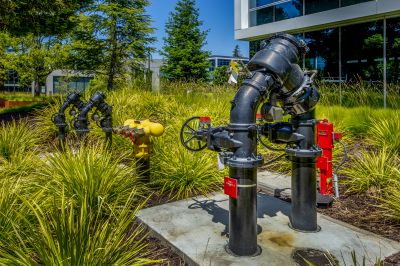
When comparing service providers for backflow testing, it’s important to consider their experience with similar projects. Homeowners should look for local contractors who have a proven track record of handling backflow testing in residential settings. An experienced professional is likely to be familiar with local codes and common issues, which can contribute to a smoother process and reliable results. Asking about the number of backflow tests performed in the past or seeking references from previous clients can provide insight into their familiarity with this specific service.
Clear written expectations are essential to ensure that homeowners and contractors are aligned on the scope of work. When evaluating options, it’s helpful to review any provided documentation or communication that outlines what the backflow testing will involve, what to expect during the process, and any follow-up steps. Well-defined expectations help prevent misunderstandings and ensure that both parties are on the same page regarding the service. Service providers who can articulate their process clearly are often more organized and professional in their approach.
Reputable references and good communication are key indicators of a dependable local contractor. Homeowners should seek out service providers who can offer references from previous clients, especially those with similar property types or needs. Additionally, responsive and transparent communication during the inquiry process can reflect a contractor’s professionalism and willingness to address questions or concerns. It’s important to remember that this site introduces homeowners to local options for backflow testing services and does not perform the work itself, so taking the time to evaluate these qualities can help ensure a positive experience with the chosen service provider.
Property owners use Backflow Testing Service services for practical projects around their homes and businesses. This guide focuses on everyday jobs and straightforward project options.
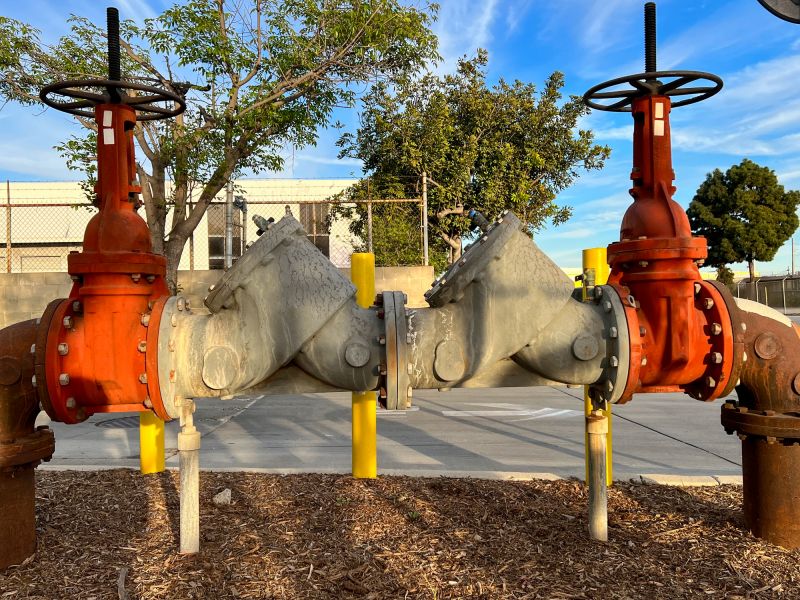
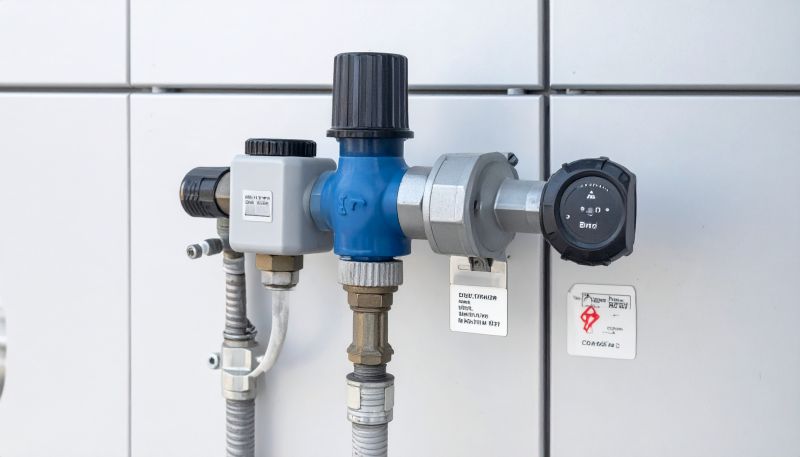
Backflow testing services are often needed when property owners want to ensure their drinking water remains safe and uncontaminated. Common situations include routine inspections required by local regulations, or when there are concerns about potential cross-connections between potable water supplies and non-potable sources. Local contractors can perform these tests to identify any issues that might allow backflow, helping property owners maintain compliance and safeguard their water systems.
Property owners may also seek backflow testing after plumbing repairs, installations, or if they notice unusual water pressure or quality problems. Regular testing can prevent costly repairs or health hazards caused by backflow contamination. Service providers in the area are equipped to handle these everyday concerns, offering inspections and solutions tailored to the needs of residential, commercial, and industrial properties.
What is backflow testing? Backflow testing is a procedure that checks the backflow prevention devices to ensure they are functioning properly and preventing contaminated water from entering the clean water supply.
Why is backflow testing important? Regular backflow testing helps protect water quality by verifying that backflow prevention devices are working correctly, reducing the risk of water contamination.
How do local contractors perform backflow testing? Local service providers typically inspect and test backflow prevention devices using specialized equipment to ensure they operate effectively and meet safety standards.
Who should perform backflow testing? Backflow testing should be conducted by qualified local contractors who have experience with backflow prevention devices and follow proper testing procedures.
What types of properties need backflow testing? Backflow testing is recommended for residential, commercial, and industrial properties that have backflow prevention devices installed in their water systems.
Ensure water safety compliance - property owners can have backflow testing performed to verify their plumbing systems meet local safety standards.
Prevent contamination risks - regular backflow testing helps identify potential issues that could allow pollutants to enter the drinking water supply.
Maintain plumbing system integrity - scheduling backflow testing can help detect early signs of system failure or damage before major problems occur.
Protect property value - keeping plumbing systems properly tested and maintained supports the overall condition and value of a property.
If you are thinking about Backflow Testing Service for a property, this guide is meant to help you understand the work, the typical project types, and how different options might fit your plans.
When you are ready, you can use the quote form on this page to share a few details about your project. From there, local pros can review the basics and respond with options that match what you have in mind.